“Acrylic vs LED vs 3D vs neon” sounds like four materials, but it is not a clean comparison. Acrylic is a material. 3D describes depth. LED describes illumination. Neon-style describes a visual lighting format. One shop sign can combine three of those at once—for example, raised acrylic letters with LED halo lighting.
Side-by-side: which signage type solves which problem?
| Sign type | Best use | Strength | Watch for |
|---|---|---|---|
| Flat / layered acrylic | Reception, doors, interior walls, small storefront details | Clean edges, wide finish choices, easy to layer | Contrast can disappear on similar-colour walls |
| 3D letters | Shopfronts, feature walls, reception logos | Depth creates shadow and visibility | Letter depth and fixing method affect the final look |
| LED illuminated letters/signs | Businesses trading after dark, exterior visibility, focal reception walls | Night visibility and stronger separation | Power, driver access, cable routing and maintenance |
| Neon-style LED | Cafés, salons, studios, interior feature walls | Decorative, recognisable glow | Not always the clearest choice for a primary shop name from distance |
When acrylic signage is the right choice
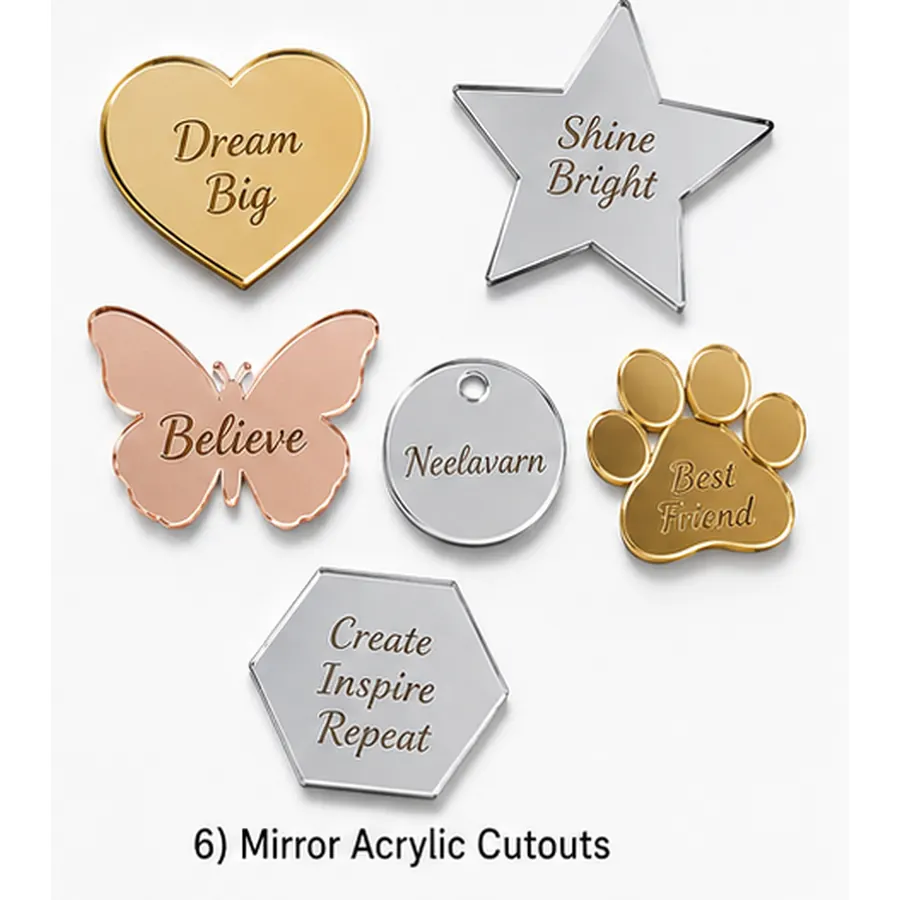
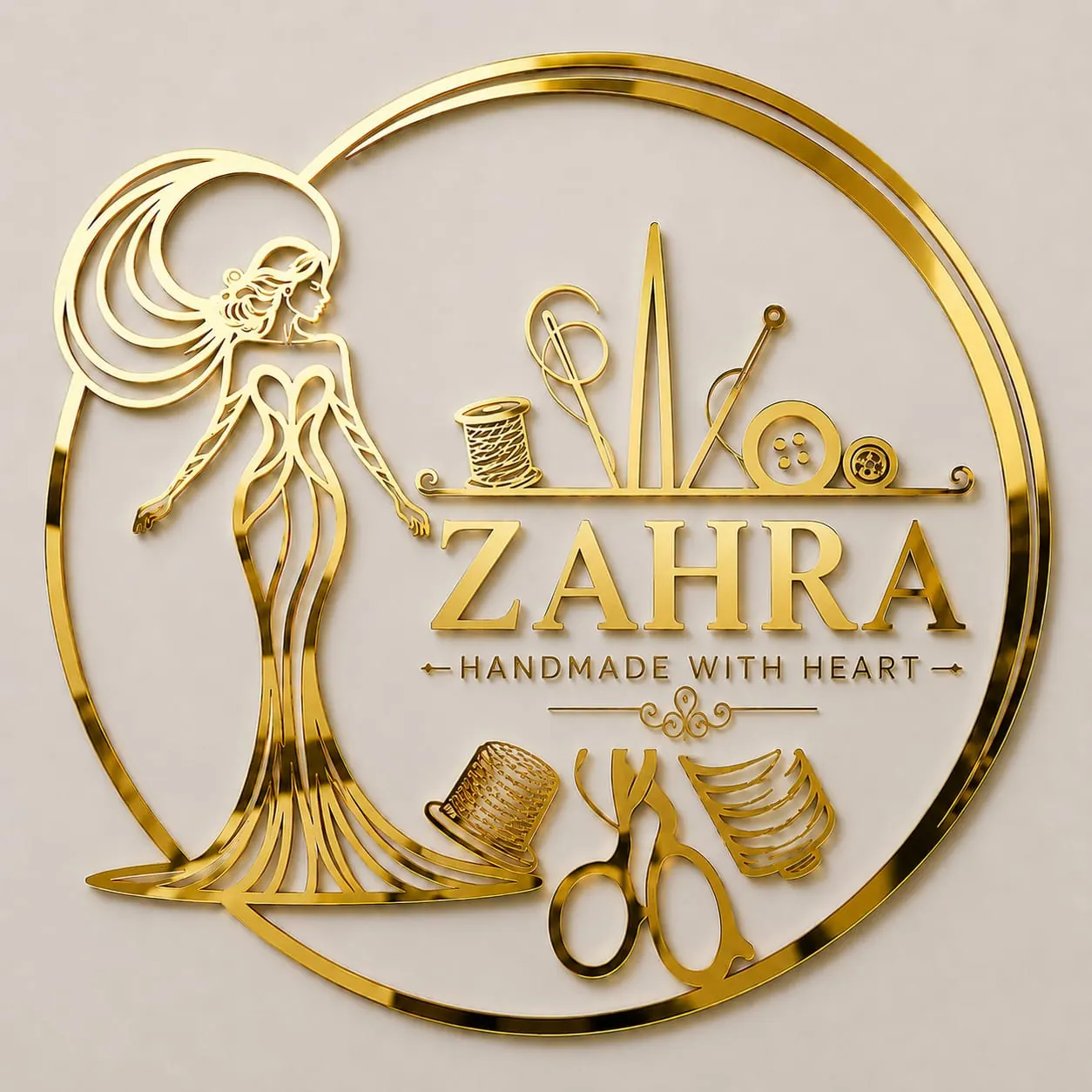
Acrylic works well when the design needs precise shapes, clean edges and controlled colour/finish. It is useful for reception logos, office branding, door signs, menu/QR displays and dimensional letters. Mirror acrylic can push the style toward luxury/beauty; clear acrylic can preserve the wall behind; black or coloured acrylic can create strong contrast.
For a Dubai shop, ask whether the acrylic component is indoors or outdoors. Exterior use changes the brief because sun, heat, dust and cleaning are part of the operating environment. Do not assume a sample that looks good on a reception desk should be used unchanged on an exposed façade.
When 3D letters outperform a flat sign
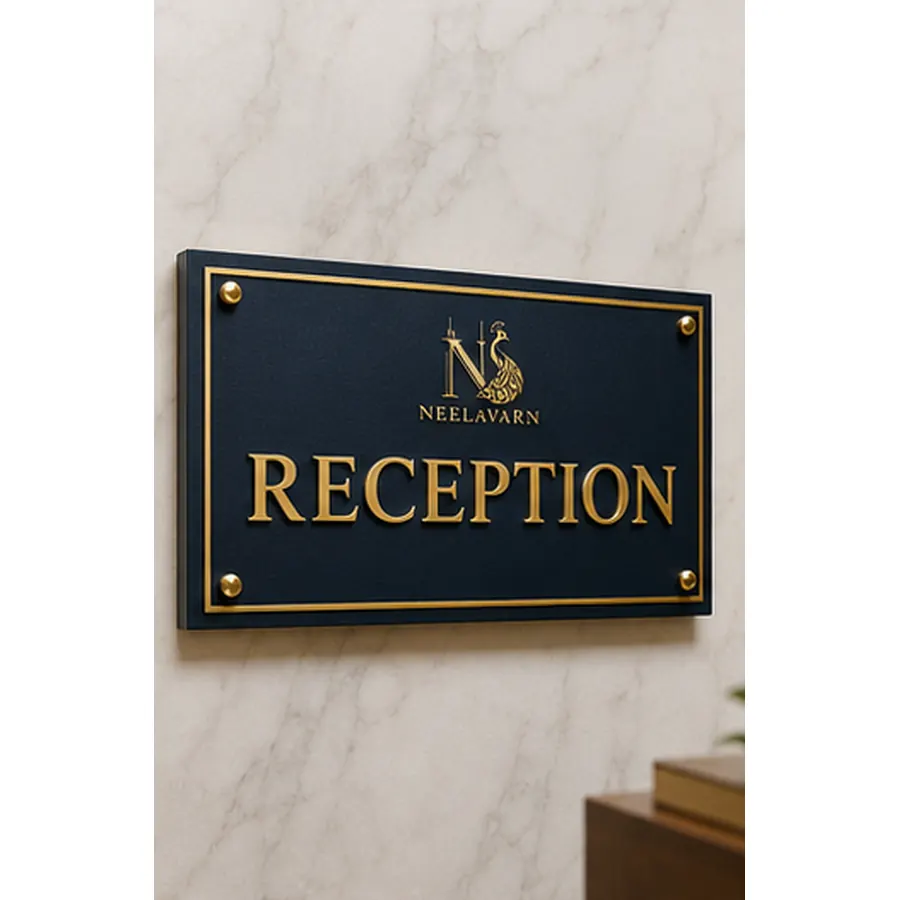
3D letters help when the brand needs to read across a corridor, from a car park lane or from the opposite side of a retail walkway. The edge depth creates shadow in daylight and gives the logo a more architectural presence than a printed flat panel.
3D does not automatically mean illuminated. Non-illuminated raised letters can be the better option for an indoor reception with strong ambient lighting. For storefront use after dark, illumination may be added depending on the design and site.
When LED is worth paying for
LED is useful when the sign must work after sunset or the background lacks contrast. Common approaches include front-lit letters, backlit/halo-lit letters and illuminated sign faces. The right method depends on the logo construction and the effect you want from the wall.
Before approving illuminated signage, ask three questions: Where does power enter? Where will the driver sit? Can the lighting components be accessed later without damaging the finished wall? Those questions are more important than picking a colour from a night-time mockup.
Where neon-style signage makes sense
Neon-style LED is strongest as a feature: a café phrase, salon wall, social-photo spot, studio mark or decorative secondary logo. It can absolutely carry a business name, but for a primary exterior shop identity the first test should still be legibility from the real approach distance.
If customers see the sign for two seconds while moving past the storefront, a thin script can lose readability even though it looks excellent in a close-up photo.
Best option by business type
Salon or beauty studio
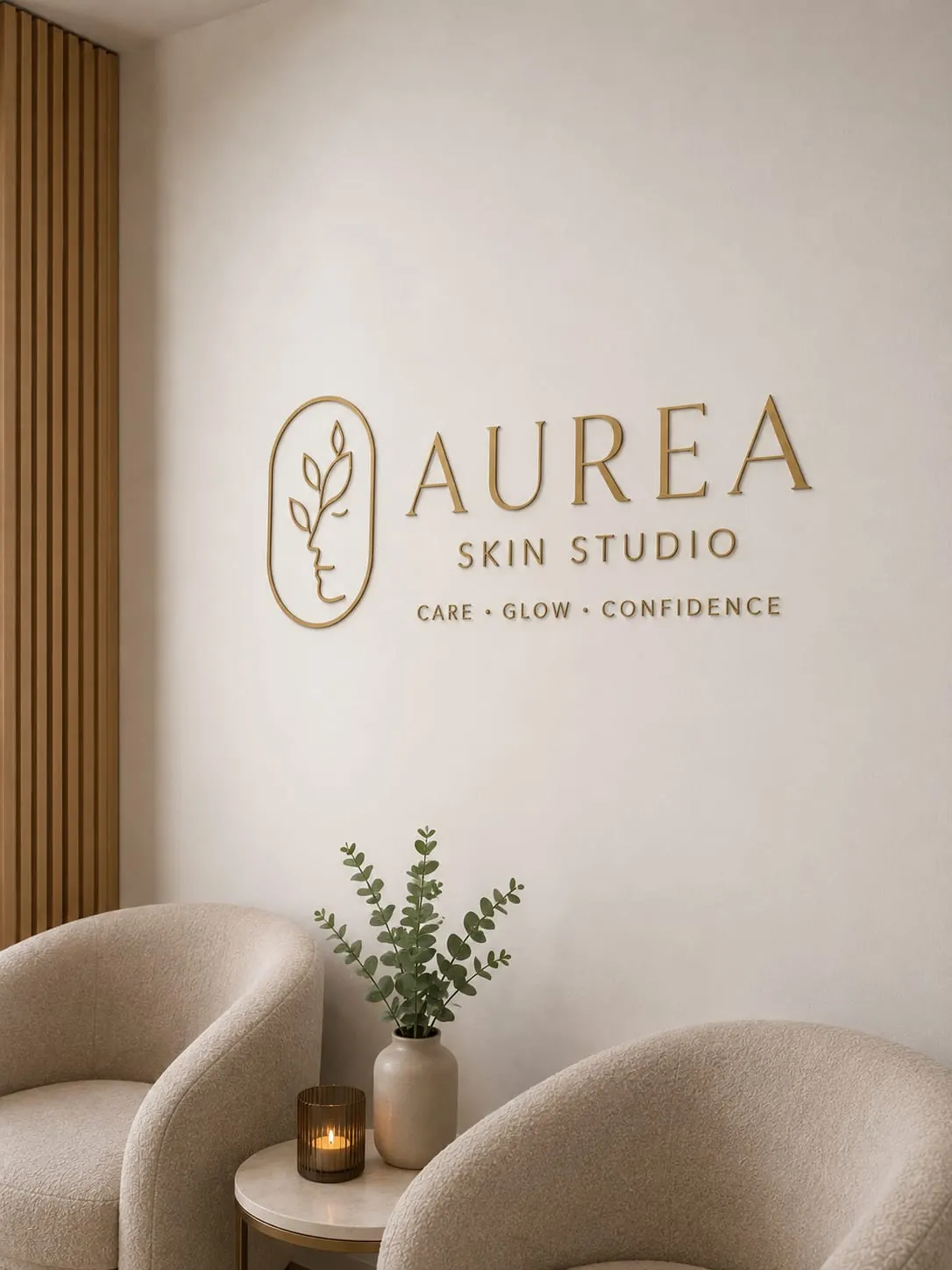
Consider mirror acrylic or a refined 3D logo for reception, with neon-style lighting only where you want a more expressive feature wall. NEELAVARN’s completed work includes salon and skin-studio reception logo pieces, so this route matches real project types already produced.
Clinic
Prioritise clarity over decoration. High-contrast raised acrylic letters, a clean logo panel and consistent door/directional signs usually create a stronger patient journey than multiple competing visual effects.
Café / restaurant
Separate the primary name sign from menu and counter information. The storefront sign needs distance visibility; QR/menu acrylic at the counter can be smaller and more detailed. If evening trade is important, evaluate illumination for the primary identity.
Retail store
Test the sign against neighbouring storefronts. Contrast, letter height and lighting determine whether the name disappears or reads immediately. If the mall or landlord controls fascia dimensions, get those constraints before the design is finalized.
Office / business centre
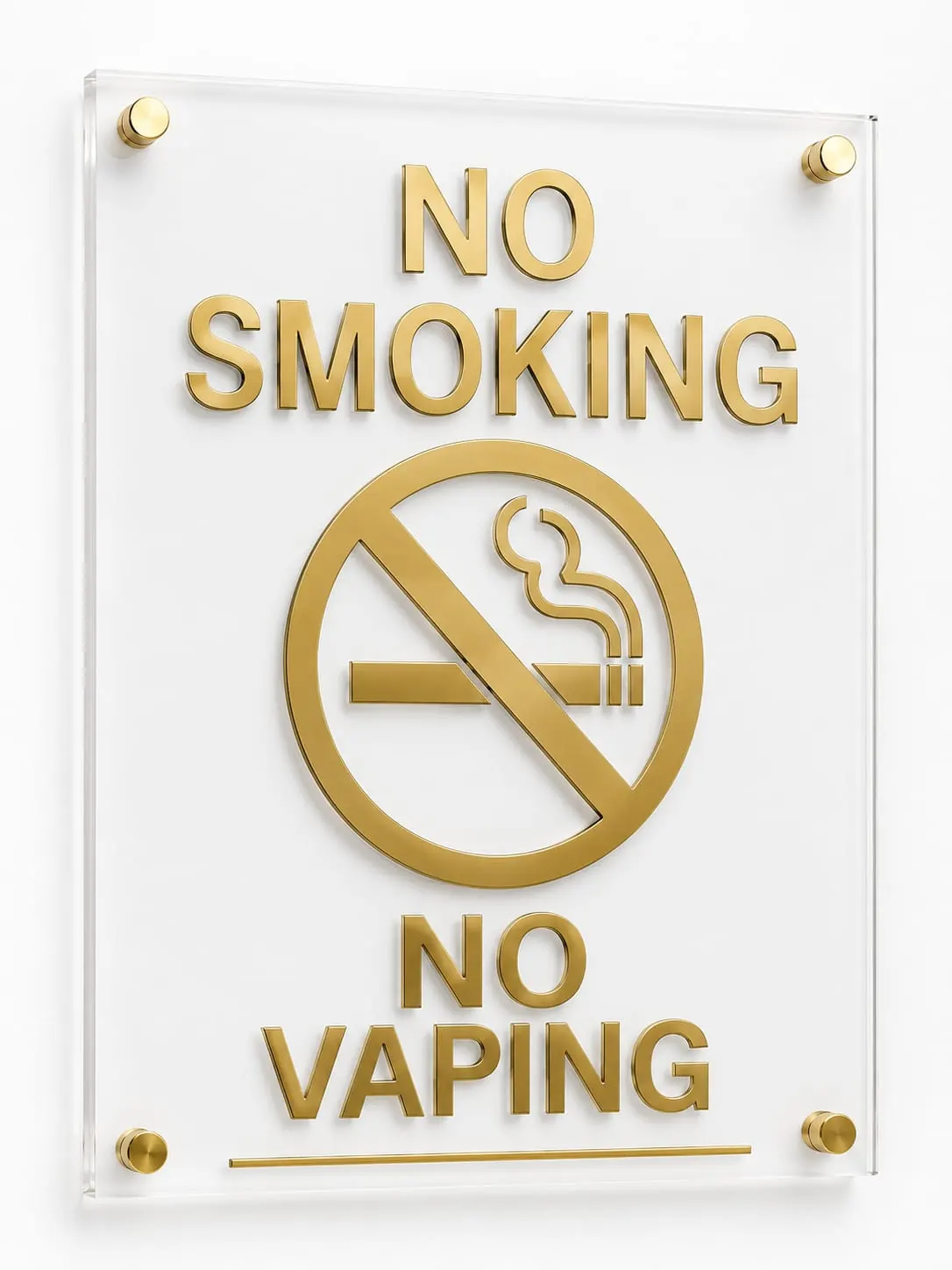
For a reception or corridor, 3D acrylic or layered logo lettering often gives enough presence without exterior-grade illumination. Door plates and directional signs should follow the same typography and finish so the space feels like one system.
Five shop-sign mistakes to catch before production
- Choosing the sign from a close-up render. Review a mockup at the real façade scale and expected viewing distance.
- Using low contrast. A beautiful gold logo can vanish on a warm stone wall if there is not enough tonal separation.
- Adding illumination without planning power. The cable route and driver access should be designed, not improvised after installation.
- Making bilingual text an afterthought. Arabic and English widths need to be balanced in the approved artwork.
- Fabricating before site/approval checks. Exterior signs can be constrained by the property, mall, free zone or relevant authority.
Dubai approval: check before fabrication, not after
For exterior signage on a building façade, confirm which approvals apply to the exact property before production. Dubai Municipality maintains services for advertising permits on buildings, while managed developments, malls and free-zone properties can have their own design and installation requirements. The supplier needs the site conditions early because size, mounting and electrical details can be affected.
What to send for an accurate shop-signage quotation
NEELAVARN’s current acrylic works and signage range includes acrylic name boards, LED-backlit pieces, office/reception branding, salon/beauty branding, acrylic menu boards and directional art pieces. For a coordinated opening or event, you can also combine the sign with printed materials or branded merchandise.
Frequently asked questions
What is the best signage for a shop in Dubai?
There is no single best type. Acrylic or 3D letters work well for clean dimensional branding, LED illumination is useful when night visibility matters, and neon-style signs suit decorative interior or feature-wall use. The right choice depends on viewing distance, location, wall or façade, operating hours and approvals.
Is LED signage a different material from acrylic signage?
Not necessarily. LED describes the illumination system, while acrylic can be part of the sign face or letter construction. A sign can be both acrylic and LED illuminated.
Are 3D letters suitable for reception areas?
Yes. 3D letters can be used indoors on reception and feature walls as well as outdoors. Indoors, the depth can create separation and shadow without needing a full background panel.
Do Dubai shop signs need approval?
Exterior signs fixed to building façades or managed properties can be subject to landlord, mall, free-zone or authority requirements. Confirm the applicable approval route before final fabrication and installation.
What details are needed for a shop signage quote?
Provide the shop location, storefront or wall photo, approximate sign width and height, logo artwork, indoor/outdoor use, whether illumination is needed, installation requirement and required completion date.